
Thinking of visiting Japan or investing in the local tourism market? Here’s why vacation rentals, known as “minpaku”, are attracting renewed attention and how they might suit your travel or business needs.
Recovery of Inbound Demand and Evolving Travel Preferences
According to the Japan National Tourism Organization (JNTO), the number of foreign tourists visiting Japan has dramatically increased since the pandemic period of 2020–2022. In June 2025 alone, approximately 3.38 million foreign tourists visited Japan, contributing to a total of over 21.5 million visitors in the first half of the year—a new record for Japan’s tourism sector.1
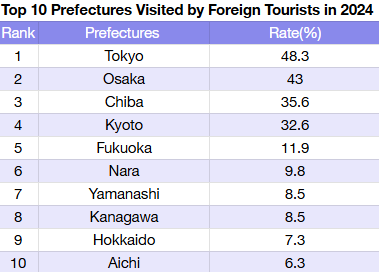
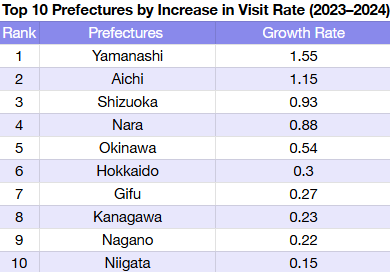
While major tourist destinations such as Tokyo, Osaka, and Fukuoka remain popular, the data above also reveals notable growth in visitor numbers to less traditionally visited areas like Shizuoka, Okinawa, Gifu, Nagano, and Niigata. A growing number of travelers—particularly those from Europe and North America, who often take extended vacations—are embracing a new travel style: “living like a local.” Rather than rushing through famous landmarks and restaurants, some prefer slow stays in regional towns, immersing themselves in local culture and everyday life.2 This trend toward longer stays presents challenges for hotels, such as higher accommodation costs, limited living space, and a lack of privacy. In contrast, minpaku facilities—often equipped with kitchens, living spaces, and household essentials—are becoming a preferred option for such travelers, offering a more comfortable and practical living experience.
Growing Domestic Demand
Though often associated with inbound tourism, minpaku has become increasingly popular among Japanese travelers as well. In addition to the rise in long-term stays driven by remote work and workations during the pandemic, demand from families and group travelers is also growing. For instance, minpaku facilities set up in converted detached houses in rural areas offer more space than standard hotels and don’t require concern for adjacent rooms—making them ideal for families with children.3
The rising cost of hotels, driven by increased inbound visitors, is another factor pushing Japanese travelers toward minpaku. According to Tokyo Shoko Research, the average daily rate for 13 publicly listed hotel operators rose year-over-year for the October–December 2024 period, marking a 69.2% increase compared to 2021.4 This trend is expected to continue. Minpaku properties are typically priced per stay, making them more cost-effective for groups. Many of them also offer long-term stay discounts, which can further reduce costs compared to hotels.
As of July 15, 2025, the number of registered minpaku in Japan (calculated by subtracting deregistered properties from total applications) hit an all-time high of 33,618, according to the Japan Tourism Agency, and the number is expected to keep growing.5 For operators, the increase in culturally aware domestic guests also means fewer potential issues, making them easier and more secure to accommodate. It may be worth considering a marketing strategy that targets Japanese travelers as the main customer base.
Are Detached Houses the Best Fit for Minpaku?
There are several formats for running a minpaku: renting out a single unit of apartments, a room in a detached house, or an entire detached property. However, for rental apartments or condominiums, operational restrictions are common. Due to concerns from neighbors and building management, many condominiums in Japan prohibit short-term rentals.
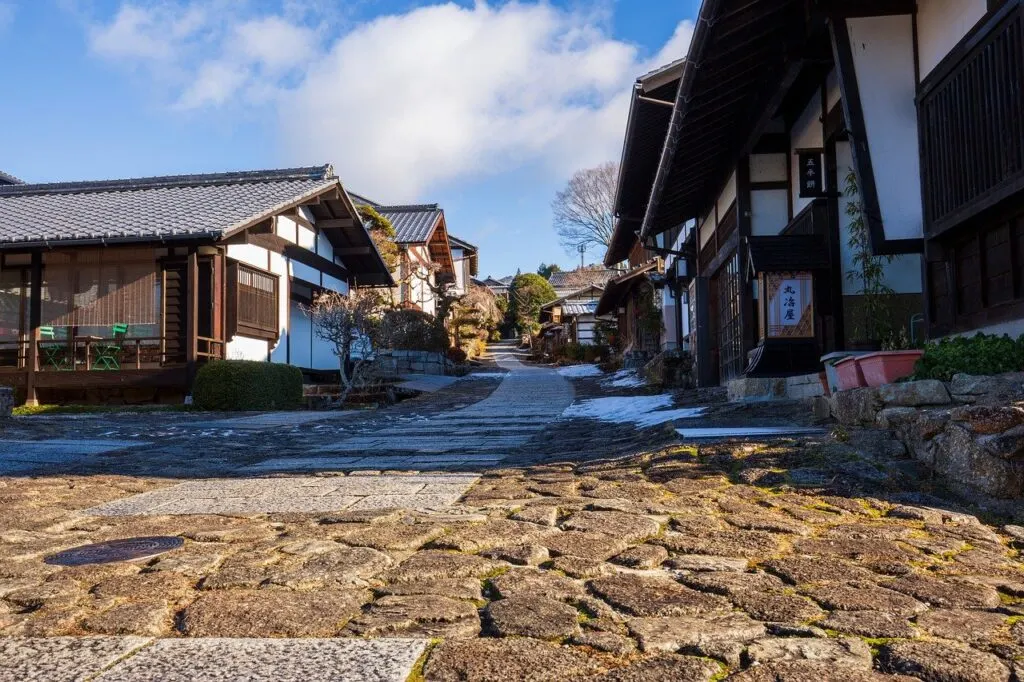
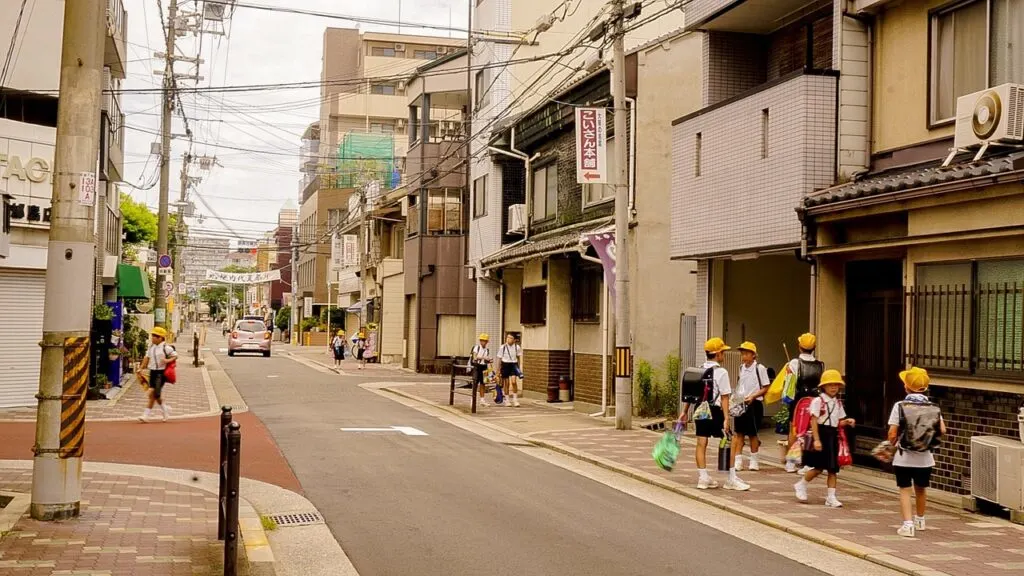
On the other hand, converting detached homes in suburban or rural areas into minpaku is considered a more feasible option and offers several advantages. These properties and the land are often relatively affordable, it’s easier to maintain distance from neighbors, and owners have greater freedom to renovate and customize. That said, attention must still be paid to factors like transportation access and proximity to tourist attractions. For those new to the industry, partnering with an experienced management company is key to ensuring smooth and stable operations—especially when it comes to overcoming such external challenges through added value or effective marketing.
Conclusion
Following the COVID-19 pandemic, minpaku is gaining popularity not only among foreign tourists but also Japanese travelers. The emerging travel style of “living like a local” makes minpaku an ideal choice, and the market is poised for further expansion.
Among the various types of properties, detached homes offer the highest flexibility and the lowest risk of neighbor-related issues, making them a particularly attractive option for those considering entering the minpaku business. By carefully selecting the property and implementing marketing strategies that align with guest needs, operators can run a highly profitable business.
Legal compliance, solid management structures, and addressing potential complaints from neighbors are obviously all part of the operational responsibility—and often more complex than expected. Therefore, building partnerships with trustworthy management companies is essential. At SUGEE Housing, which has extensive experience supporting foreigners in finding housing in Japan, we offer free online consultations. If you’re interested in minpaku operations, feel free to contact us at <[email protected]>.
- Japan Inbound Tourism Statistics | Japan National Tourism Organization (JNTO) https://www.jnto.go.jp/statistics/data/visitors-statistics/ ↩︎
- The rise of ‘slow travel’ in Japan (and how to do it properly) https://www.japan.travel/en/au/media-releases/the-rise-of-slow-travel-in-japan-and-how-to-do-it-properly/ ↩︎
- Nikkei Business https://business.nikkei.com/atcl/gen/19/00556/091100027/ ↩︎
- Tokyo Shoko Research https://www.tsr-net.co.jp/data/detail/1201280_1527.html ↩︎
- Portal Website for Private Lodging「minpaku」https://www.mlit.go.jp/kankocho/minpaku/business/host/construction_situation.html ↩︎