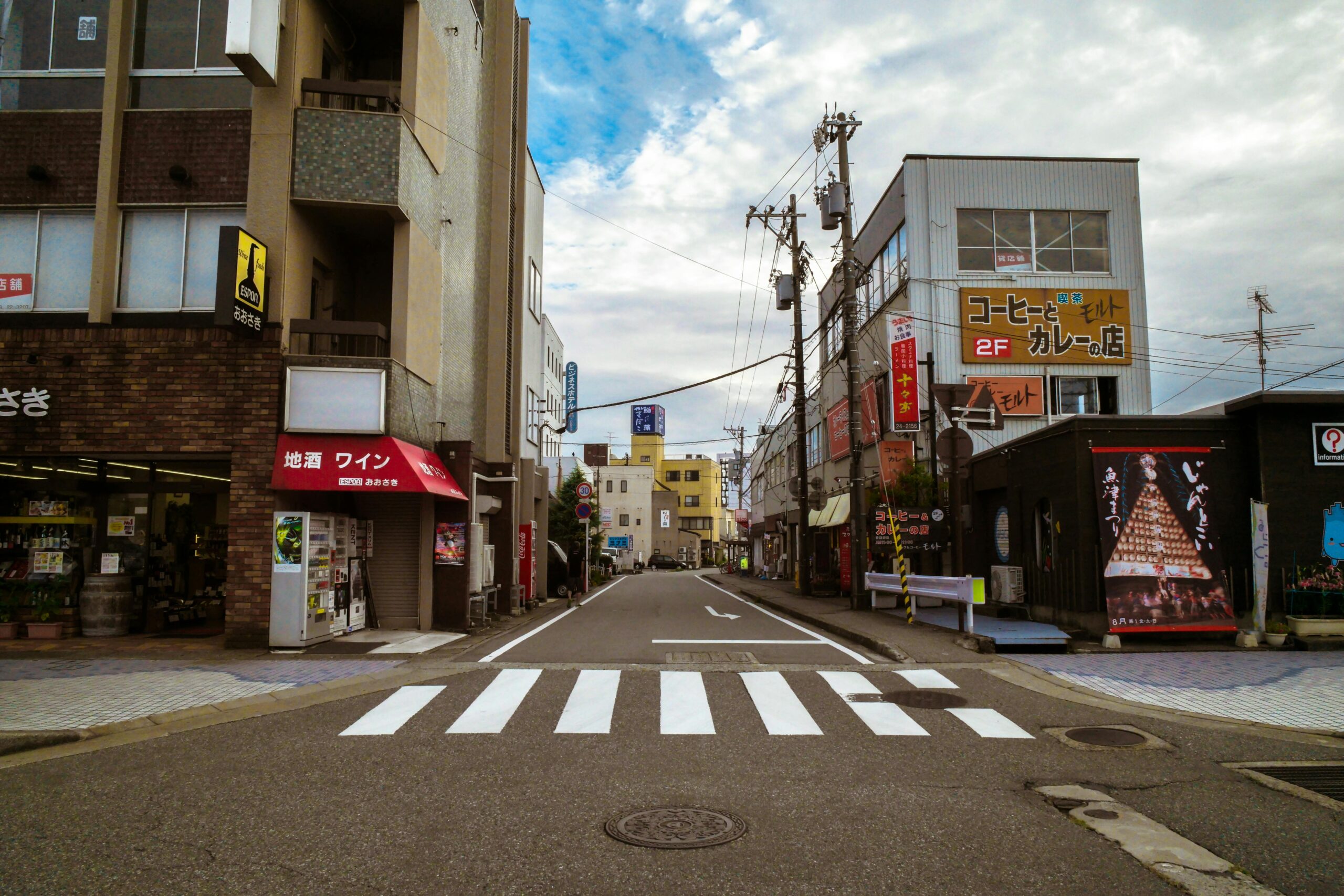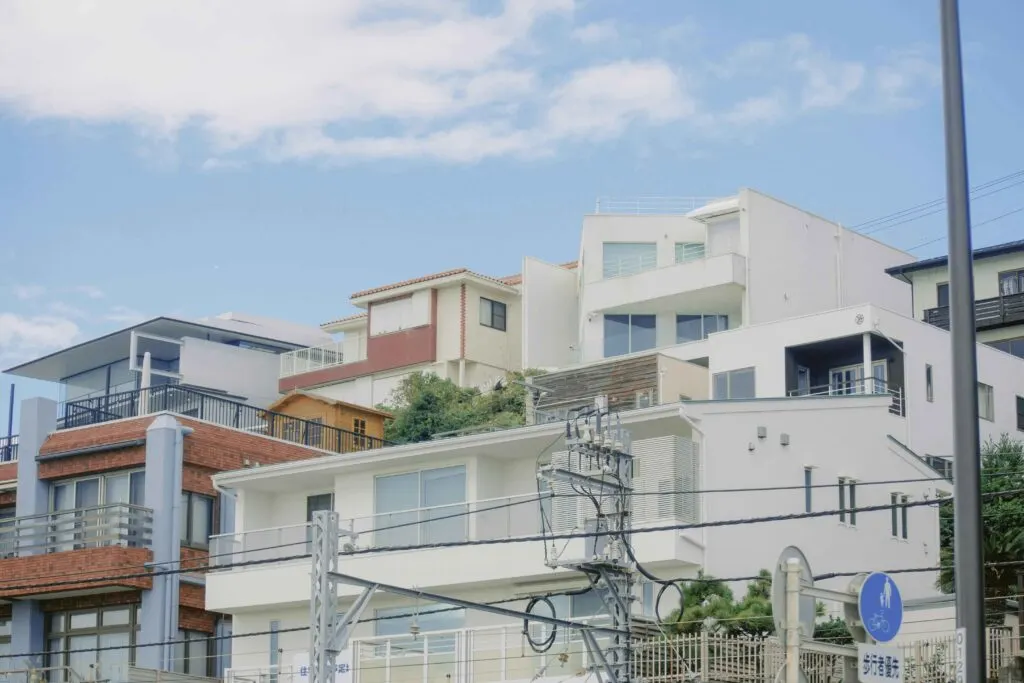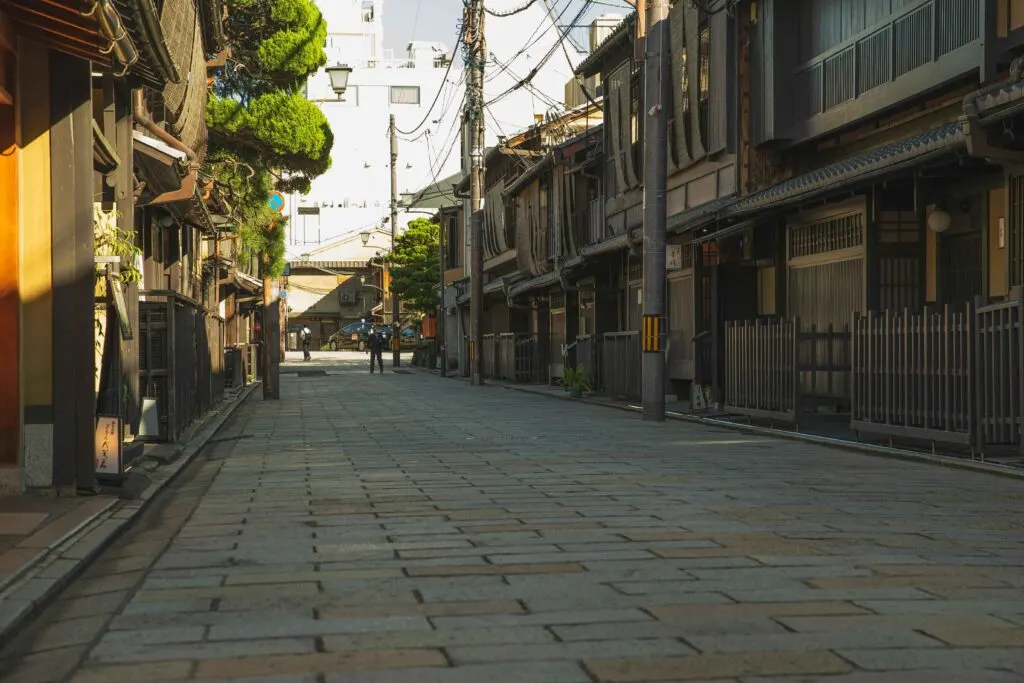

Due to factors such as the weakening of the yen and the increasing number of vacant homes in suburban areas, more and more foreigners are purchasing properties in Japan. There is a growing demand from owners who wish to stay in their properties while visiting Japan, and rent them out as furnished short-term rentals for travelers during the rest of the year.
One of the legal frameworks that governs short-term rentals for travelers is the Hotel Business Act; however, because it requires administrative approval and involves numerous conditions to be met, it is often considered impractical for individuals operating a short-term rental for the first time. As a more accessible alternative, many property owners opt to rent out their properties under the Minpaku system (private lodging business). We provide a detailed overview of Minpaku, which can be launched by submitting a notification as long as the property is equipped with basic living facilities.
What’s Minpaku?
Minpaku refers to a type of short-term accommodation service in which a private residence or part of an apartment is rented out to travelers for a limited period. It is operated under the Private Lodging Business Act (also known as the Minpaku New Law). Unless the property is located within a designated National Strategic Special Zone discussed later, stays are permitted from as short as one night and it can be operated by simply submitting a notification to the relevant authorities. Since this is a notification-based system rather than a permit-based one, the entry barrier is relatively low.
One important point to be aware is that operations are limited to 180 days per year. If an owner wishes to rent the property for more than 180 days annually, they would need to obtain a license under the stricter Hotel Business Act.
Before submitting a notification to begin operating a Minpaku, owners are legally required to inform nearby residents in advance. The exact range of notification depends on various conditions, but generally includes neighboring units and, in the case of apartment buildings, units on the same floor as well as those directly above and below. In most cases, it is sufficient to place a written notice with the contact details of the owner or property manager in the mailboxes of affected residents.1
What’s Special Zone Minpaku?
In certain areas designated by the Japanese government as National Strategic Special Zones, Minpaku operations are permitted under a different legal framework—the Act on National Strategic Special Zones—which provides relaxed regulations compared to the standard Private Lodging Business Act. This type of operation is commonly referred to as a Special Zone Minpaku (Tokku Minpaku) to distinguish it from regular Minpaku. While the Private Lodging Business Act requires only a notification, operating under the Special Zone framework requires approval from the local government.
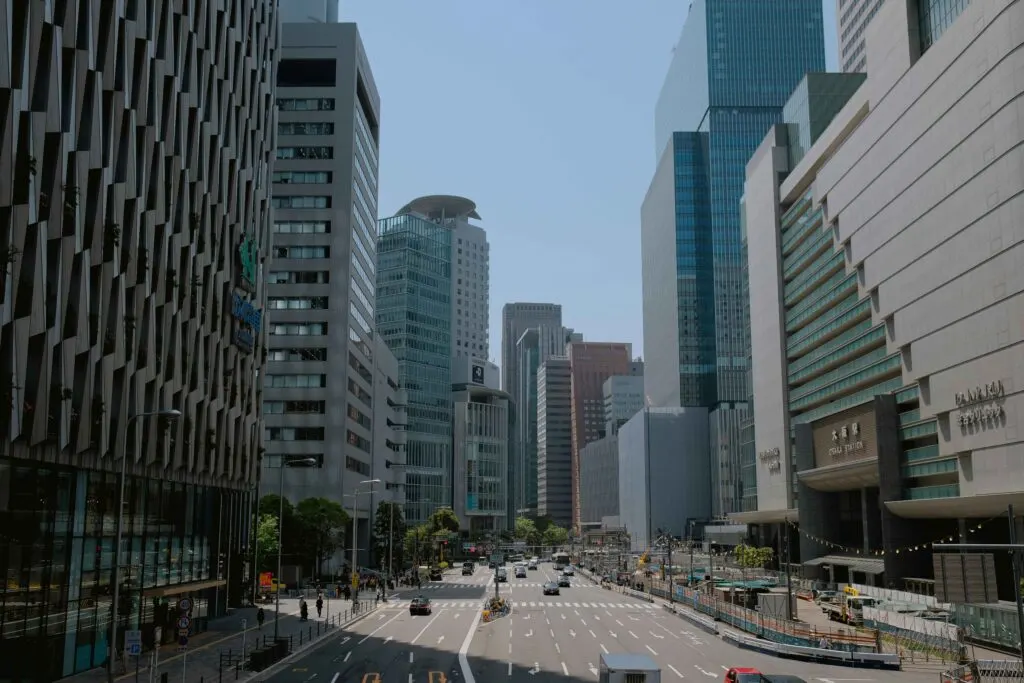
The greatest advantage of Special Zone Minpaku for property owners is that there is no annual limit on the number of operation days. If approval is granted, this can lead to higher potential earnings. Areas designated as National Strategic Special Zones include Ota Ward in Tokyo, Osaka City, Kitakyushu City, and Niigata City, among others.
However, it’s important to note that Special Zone Minpaku differs from regular Minpaku in several key ways, for example, stricter fire safety equipment requirements, a minimum stay of two nights, and a mandatory information session for nearby residents. Also, be aware that it can take several months to obtain the necessary operational approval after applying.2
Types of Minpaku
Under the Private Lodging Business Act, there are two types of operational models: the “owner-on-premise type” and the “owner-absent type.” In the owner-on-premise type, the owner resides in the same property and typically rents out a spare room. This style is similar to a homestay or shared house arrangement.
The owner-absent type refers to cases where the owner does not live on the property. This is the more common model for foreign owners who reside outside Japan. It’s important to note that under the owner-absent model, outsourcing operations to a registered property management company is necessary.3
Preparation Before Application
The interior of a minpaku property must be equipped with furnishings and facilities necessary for daily life. These include bedding, heating and cooling systems, lighting, and sanitary amenities such as a toilet, washbasin, shower or bathtub. For safety, a fire extinguisher and smoke detector must also be installed. If the owner plans to use the property during their stay in Japan, the time and cost required to prepare these items should not pose a significant burden.
For owners who reside outside of Japan, it is necessary to arrange cleaning services for after guest check-out. The best option is to hire a professional cleaning company with experience in minpaku operations. For owners who do not speak Japanese, tasks such as coordinating with cleaning companies and notifying neighbors in advance may present challenges. In such cases, having a multilingual property management company—especially one that can communicate in English—can be highly reassuring.
Application Process
When applying to operate your property as a Minpaku, you will need to prepare the following documents. Please note that specific requirements and application formats may vary depending on the local government, so be sure to check the latest information in your area.
Required Documents:
- Notification form for operating a private lodging business
- Property registration certificate
- Notification of compliance with fire safety regulations or building inspection certificate
- Floor plan of the property
- Management contract with a registered property manager (for owner-absent type)
Note that the application process differs between the Private Lodging Business Act and Special Zone Minpaku.
Under the Minpaku Regulations
Application Destination:
The prefectural or municipal government office
Application Procedure:
- Prepare necessary facilities (e.g., smoke detectors, fire extinguishers, ventilation systems)
- Notify neighboring residents in advance
- Submit your application online through the Private Lodging Business Notification System (e-Gov)
- Undergo a document review
- If no issues, a notification number will be issued
Review Period:
Usually 1–2 weeks
Under the Special Zone Minpaku Regulations
Application Destination:
The designated department of the local government
Application Procedure:
- Consult with the local public health center and fire department in advance
- Prepare the required facilities (e.g., smoke detectors, fire extinguishers, ventilation systems)
- Conduct an explanatory meeting with nearby residents
- Submit your application at the local government office (Note: Online application is generally not accepted)
- Document review
- On-site inspection by municipal staff
- If approved, a certificate of authorization will be issued
Review Period:
Usually one month or more

Attracting Guests
Once your Minpaku is successfully registered and ready to operate, the next step is to consider how to attract guests. Below are some of the most popular platforms along with their key features.
Airbnb
https://www.airbnb.jp/
One of the world’s largest vacation rental platforms. Its multilingual support and intuitive user interface make it easy to use. Known for its strong marketing reach. Host service fee is approximately 3%–15%.
Booking.com
https://www.booking.com/
A global hotel reservation site that also lists various types of accommodations. Especially effective for short-term bookings. Host service fee is around 15%.
Rakuten Oyado
https://vacation-stay.jp/
Operated by the Rakuten Group. Strong at attracting Japanese guests. Can be linked with Rakuten Travel and other platforms. Host service fee is around 3%.
STAY JAPAN
https://stayjapan.com/
Specializes in niche properties such as rural homes, traditional Japanese houses, and farm stays.
Host service fee is approximately 0%–3%.
Summary
With the growing demand for short-term stays among international travelers, operating a Minpaku can be a highly attractive way to generate income through effective use of your property. For owners living abroad, it also offers the flexibility to use the property as a residence while visiting Japan.
However, failure to prepare properly—such as neglecting legal compliance, community relations, or cleaning and management systems—can lead to serious problems. It is essential to stay updated on the latest legal regulations and to partner with trustworthy professionals.
At SUGEE Housing, which has a strong track record of supporting foreigners in finding housing in Japan, we offer free online consultations. If you are interested in operating a Minpaku, feel free to contact us at <[email protected]>.
- Portal Website for Private Lodging「minpaku」(https://www.mlit.go.jp/kankocho/minpaku/index_en.html) ↩︎
- The National Strategic Special Zones(https://www.chisou.go.jp/tiiki/kokusentoc/english/index.html) ↩︎
- Rakuten Oyado(https://vacation-stay.jp/contents/host/minpaku/minpaku-law/post-2242/) ↩︎