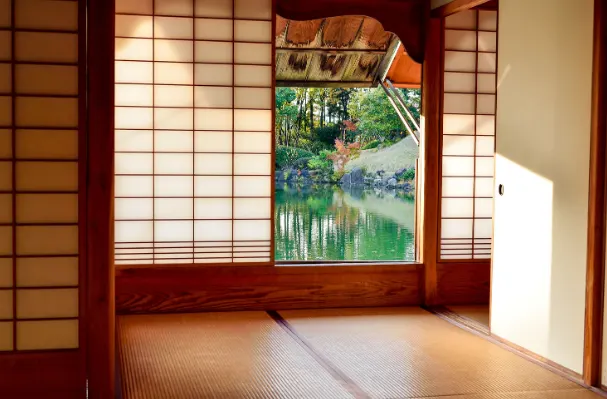

In Japan, tatami rooms, known as “washitsu“, often have an outdated image and are sometimes avoided. However, did you know that tatami is gaining renewed attention with the growing popularity of the “Japanese modern(wa-modern)” concept?
A New Value in Japanese Modern Style
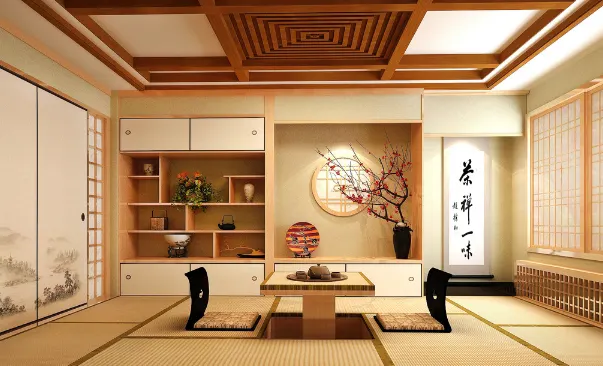
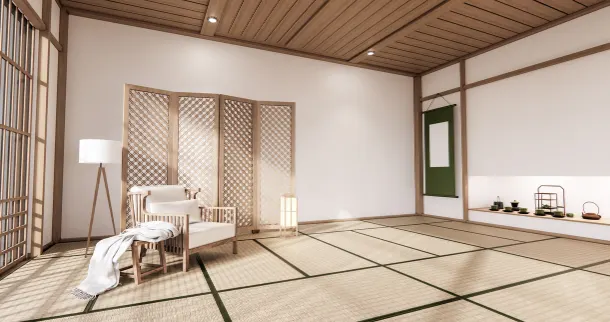
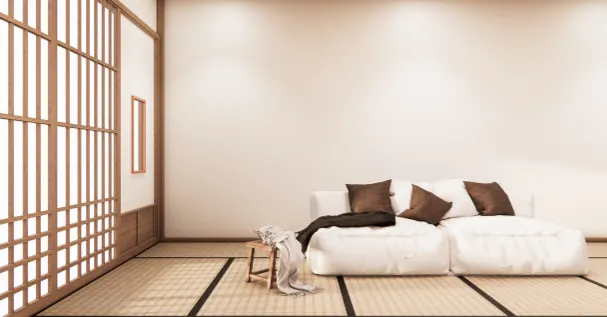
Wa-modern refers to a design that deliberately blends traditional Japanese aesthetics with Western, modern, and stylish elements. As more young generation around the world seek calm and sophisticated interiors, this style is gaining popularity.
Learn about Tatami
History of Tatami
Tatami became widely used in ordinary Japanese households around the Edo period (17th to 19th century). Rather than covering all rooms in a house, tatami was typically used in limited spaces. Its soft and comfortable texture under bare feet made it a versatile flooring choice, commonly used in bedrooms, living rooms, and guest rooms.1
In recent years, as Japanese homes have become more Westernized, houses without washitsu have become increasingly common, however, tatami can still be seen in traditional accommodations such as ryokan (Japanese inns), as well as in tea rooms within Japanese gardens and temples.
Types of Tatami
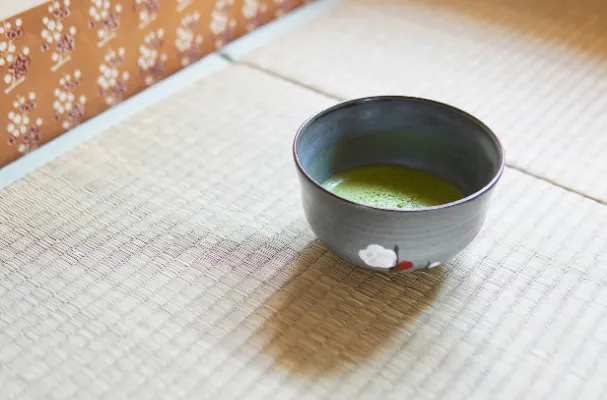
Traditionally, tatami mats’ surface was made from igusa (soft rush), however, more practical and durable alternatives such as Japanese paper called “washi” and resin-based tatami, have become increasingly popular in recent years.
Igusa (Soft Rush)
Known for its high moisture absorption and deodorizing properties, igusa also emits a distinct natural fragrance with a relaxing effect. Those who have smelled it even once will likely never forget its scent. However, as a natural material, it is susceptible to humidity, making it prone to mold and dust mites. It also deteriorates over time due to sun exposure and wear, requiring periodic replacement.
Washi (Japanese Paper)
More durable than igusa and resistant to mold and dust mites. It is easy to color, offering a wide range of design options, making it a popular choice for residential spaces.
Resin
Typically made from polypropylene, resin-based tatami is highly water-resistant and does not easily fade or wear out over time. Its durability makes it ideal for areas prone to dirt or moisture, and it is also easy to maintain.
Size of Tatami
You might be surprised to learn that tatami mats come in various sizes depending on the region. Different areas in Japan have their own standard tatami dimensions.
Edo-ma
Edo refers to present-day Tokyo. Edo-ma is the most commonly used tatami size nationwide, with each mat measuring 176 cm × 88 cm. This has become the standard tatami size in Japan.
Kyo-ma
Kyo-ma is primarily found in the Kansai, Chugoku, Shikoku, and Kyushu regions. It is slightly larger than Edo-ma, with each mat measuring 191 cm × 95.5 cm.
Chukyo-ma
Primarily found in the Chukyo region, as well as parts of Tohoku and Hokuriku. Each mat measures 182 cm × 91 cm.2
Points to Consider When Living in a Tatami Room
After learning about washitsu, you might be interested in living in a home with a traditional Japanese-style room. Before making a decision, it’s important to understand both the benefits and drawbacks.
Advantages
- Versatile Usage: As mentioned earlier, washitsu can adapt to different lifestyles and serve multiple purposes, such as a bedroom, children’s room, or guest room.
- Relaxing Atmosphere: The natural scent of igusa has a calming effect, and its soft, earthy tones provide a visually soothing environment.
- Lower Rent: Due to the increasing preference for Western-style flooring, the demand for washitsu has declined, often resulting in more affordable rent compared to modern Western-style apartments.
Disadvantages
- Prone to Furniture Marks and Damage: Since tatami is soft, heavy furniture may leave dents over time. For rental properties, carefully check the lease agreement for any restrictions, as restoration costs may be required upon moving out.
- High Maintenance: Tatami is susceptible to mold and dust mites, requiring proper care. Dust tends to accumulate in the woven patterns, and spilled liquids can leave stains.
- Often Found in Older Buildings: With the rise of Western-style housing, many washitsu exist in older properties. This means not only the tatami but also the building’s structure and plumbing may be outdated, so inspecting the condition carefully before moving in is recommended.
Examples of Wa-Modern Interiors
Now that you’ve finally moved into your dream washitsu, let me share some inspiring interior examples to help you with your design ideas.
The following website showcases rooms where interior enthusiasts have embraced tatami and created stylish spaces that blend traditional and modern elements. They will provide you with some great inspiration: https://www.goodrooms.jp/journal/?p=95798
Conclusion
Tatami is a traditional Japanese material that has become an appealing option adapted to modern living. By incorporating elements of old Japan into a wa-modern space, we hope your lifestyle becomes even more comfortable and enjoyable.
Reference
- Tatami room: The heart of Japan’s contemporary home – Japan Today
https://japantoday.com/category/features/lifestyle/tatami-room-the-heart-of-japan%E2%80%99s-contemporary-home ↩︎ - 畳の種類まとめ 素材の違いや選び方、伝統的なスタイルから和モダンに合う製品 – DAIKEN – 大建工業
https://www.daiken.jp/buildingmaterials/tatami/columnipe/016/ ↩︎